
Skincare Benefits of Grapeseed Oil
Share
Skincare Benefits of Grapeseed Oil
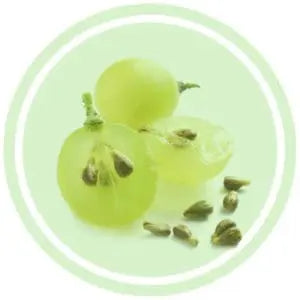
Guess what? Grapeseed oil is the latest essential oil in the skincare family making waves. Watch out rosehip and tea tree, there’s a new product in town. Extracted from (you guessed it) wine grape seeds, grapeseed is a lightweight, non-comedogenic oil. It’s a Godsend for people with sensitive skin types. If you’re acne-prone or dealing with an unwanted plethora of skincare concerns, here’s read up on the skincare benefits of grapeseed oil for everything you need to know about your soon-to-be new favourite natural skincare product.
Skincare Benefits of Grapeseed Oil:
What is Grapeseed Oil?
It is a byproduct of winemaking, cold-pressed to serve cosmetic purposes. Because cold-pressed oils aren’t heated, distilled, or processed, they retain more significant active potential. As such, they keep their antioxidant, anti-inflammatory, and antimicrobial properties intact.
Rich in essential fatty acids—especially linoleic acid (omega-6)—and vitamin E, it’s no wonder this natural carrier oil is becoming a hard-to-beat contender within the beauty industry.
The Benefits of Grapeseed Oil
Thanks to its combination of lush, soothing ingredients, grapeseed oil is perfect for:
· Managing Acne and Acne Breakouts
Chock-full of linoleic acid and omega-6, grapeseed oil unclogs pores and thins sticky sebum, allowing acne-prone skin to breathe. Its anti-inflammatory and antimicrobial properties make it an excellent safeguard against acne breakouts and acne scarring.
Use grapeseed oil as a lightweight carrier oil for tea tree (another key player in fighting cystic or seasonal breakouts).
· Protecting Against Free Radical Damage
Look deep into the atomic structure of grapeseed oil, and you’ll find vitamins C and E, and proanthocyanidin polyphenols. These antioxidants help battle UV-induced free radical damage on the skin.
Thanks to its ability to protect the skin from environmental damage and skin pollution, grapeseed lovers end up with smooth and firm skin—plus added protection against skin cancer.
· Moisturizing and Balancing the Skin
Essential fatty acids reduce transepidermal water loss, a process by which the skin loses moisture due to evaporation. This reduction fortifies the skin barrier while the vitamin E content in your grapeseed butter balm replenishes lipids.
Oily skin? Don’t worry—the moisture boost helps slow excess oil production. So your skin never overdoes it when it’s too dry!
· Reducing Inflammation and Calming Sensitive Skin
The skin’s top and middle layers are most prone to inflammation, something linoleic acid is a pro at eliminating. Phytosterols in grapeseed help control the skin’s inflammatory response, making it a handy ingredient for those who suffer from eczema and rosacea.
For moms with toddlers, a little rub of Bum Balm with grapeseed oil on their backside will calm that persistent diaper rash thanks to its soothing and antifungal properties!
· Minimizing Fine Lines, Wrinkles, and Scars
Step aside fatty acids, polyphenols are taking the lead on this one. Reverse the effects of premature aging with these micronutrients that combat sun spots, fine lines, scars, and wrinkles.
Its natural astringent properties also tighten and improve skin elasticity, so it’s almost like ageing backwards!
· Wound Healing and Skin Tone Improvement
In addition to protecting and moisturizing, grapeseed oil aids in wound healing and helps even out skin tone by reducing redness and discoloration, thanks to its antioxidants and anti-inflammatory agents.
Frequently Asked Questions
Is grapeseed oil good to put on your face?
Yes! Grapeseed oil is lightweight and non-comedogenic, making it ideal for facial use. Its antioxidant, anti-inflammatory, and moisturizing properties benefit all skin types, especially sensitive and acne-prone skin.
What is better for skin, grapeseed oil or olive oil?
While both oils have beneficial properties, grapeseed oil is lighter and less likely to clog pores, making it preferable for acne-prone or oily skin. Olive oil is heavier and richer, better suited for dry or mature skin needing intense moisture.
What is the grape seed trick to remove wrinkles?
The antioxidants and polyphenols in grapeseed oil help combat free radicals and promote collagen production, which can reduce the appearance of wrinkles and fine lines over time when used consistently as part of a skincare routine.
Conclusion
If you’ve got dry and acne-prone skin, give grapeseed oil a try! Hailed by board-certified dermatologists, a little bit of grapeseed in your routine can make all the difference in combating stubborn spots.
At Lowen’s, we love grapeseed, and ensure that you can get your hands—and skin—on natural, vegan skincare products. Our main motivation? They are full of this beneficial ingredient! All our goodies are sensibly sourced and cruelty-free. They are perfect for beauty and nature enthusiasts!
Finally, if grapeseed oil ain’t your thing, come try out our new Caf-A-OK Lotion that makes you happy made with Beeswax or checkout our Hayseed Lip Balm.